
A higher renewal bill can reflect changes in repair and claim costs even if your driving has stayed the same. Your price also depends on details about you, your car, your coverage, and your ZIP code. An increase does not automatically mean you caused a problem.
Your insurance premium is the amount you pay to keep an insurance policy active. Since the bill can change for several reasons at once, it helps to separate wider cost pressures from details you can check or change. The sections ahead do that, so you can focus on what may be driving your own price and where you have room to act.
Key Takeaways
- Shared claim costs can raise prices for many drivers.
- Your driver profile, car, coverage, and ZIP code also matter.
- A clean record does not guarantee a low price.
- Compare quotes with matching coverage before making a change.
- Check discounts and policy details before renewal.
Why Is Auto Insurance So Expensive?
Even drivers with similar records can face increases when the cost of paying claims rises across the market. Shared expenses can push car insurance rates up for many people at once, even when their own driving has not changed.
When claim costs rise across the market, drivers with similar records can still see higher premiums.
Repair, medical, and legal costs
Modern cars rely on cameras, sensors, and other technology that can make a small crash more involved to repair. A damaged bumper may need sensor work and calibration, not just a replacement part. Specialized parts can take time to source, and skilled labor adds to the bill.
Insurers also pay claims for medical care and legal expenses. When treatment costs more or a claim takes longer to resolve, the total cost of settling it can rise. Higher repair, medical, and legal bills can affect rates across a market.
Supply-chain disruptions and labor shortages have also raised insurers’ operating costs. Delays can keep cars in repair shops longer and add to the expense of handling a claim.
Inflation, severe weather, and claim volume
Inflation affects the price of parts, labor, healthcare, and other services used to settle claims. Severe weather can bring hail, floods, falling trees, and other damage to many cars at once. A cluster of claims can make losses higher in the affected areas.
As driving returned to pre-pandemic patterns, the number of claims also increased. More time on the road can mean more crashes and more claims for insurers to handle. These nationwide pressures help explain why is auto insurance so expensive in USA, though their effect differs by location and insurer.
Market-wide expenses explain only part of a bill. Insurers also weigh details about each policyholder, so the next step is to look at personal factors that may influence your price.
Which personal and driving factors raise your rate?
Two drivers with clean records can still receive different quotes because their age, credit-based insurance score, and experience may differ. Insurers use these details, where state law allows, to estimate the chance and cost of future claims. Clean driving is valuable, but it is not the only factor.
Age, experience, and credit history
Young or less experienced drivers may be priced as higher risk because they have had less time behind the wheel. Drivers ages 16-24 pay 136% more on average than drivers ages 25-75. That helps answer why is car insurance so expensive for young drivers, but it does not predict every person’s quote.
Some insurers may also consider gender, depending on state rules and their pricing practices. That can help explain why is insurance so expensive for young male drivers in some cases, but insurers and states do not all treat gender the same way.
A credit-based insurance score is not the same as a regular credit score. Drivers in the worst credit tier, scores 300-579, pay an average of $1,880 more per year than drivers in the excellent tier, scores 800-850. These scores are not used for car insurance pricing in California, Hawaii, or Massachusetts.
Tickets, accidents, and claims
Tickets, at-fault accidents, DUIs, and other claims can raise rates because they may signal a greater chance of future losses. Insurers may consider violations or claims for three to five years. In California, a DUI may affect rates for up to 10 years.
If you wonder why is my car insurance so high with a clean record, other rating details may be part of the answer. Age, credit where allowed, location, vehicle, coverage, and the insurer’s own pricing model can all affect your quote. A record without recent violations does not erase those differences.
Your driving history is only one part of an insurer’s estimate. The neighborhood and state rules where you keep your car can also shape what coverage costs.
How does your location affect car insurance rates?
A move across town can change a quote if the new ZIP code has different traffic, theft, or weather-related claim patterns. Local claim patterns can affect car insurance rates for the same driver and vehicle. State rules add another layer by setting required coverage.
ZIP code risks, traffic, and weather
Insurers commonly rate risk at the ZIP code level. Congested roads can bring more crashes, while theft, flooding, and other severe weather can increase local claims. A ZIP code with frequent storm damage may have different insurance rates from a nearby area with fewer weather-related losses.
State averages can offer context, but they do not tell you what an individual policy will cost. The figures below show different pressures in three states. Location affects both local claims and the coverage state law requires.
| State | Rate comparison | Relevant cost pressure |
|---|---|---|
| Michigan | 24% above national average | No-fault insurance with unlimited Personal Injury Protection |
| Florida | $2,923 per year average | At least $10,000 in Personal Injury Protection required |
| Louisiana | $2,702 per year average | Exposure to hurricanes or flooding |
State rules and California costs
Michigan’s no-fault system requires unlimited Personal Injury Protection, which covers certain injury costs regardless of who caused a crash. Florida requires at least $10,000 in Personal Injury Protection. These state requirements can affect the price of a policy.
Louisiana’s average is shaped in part by exposure to hurricanes and flooding, which can damage vehicles and lead to claims. California prices can also vary with location-specific risks and state rules. There is no single cause that explains every California quote, and a statewide average would not describe every ZIP code.
Those local conditions help set the starting point for a quote. Your particular car and the coverage you choose can add another layer to the price.
How do your vehicle and coverage choices affect the price?
A car’s sticker price is only one part of what it may cost to insure. Repair risk also depends on specialized parts, trim level, sensors, safety features, and theft frequency. Compare quotes for the exact vehicle before you buy it.
Repair costs, safety features, and theft risk
More expensive cars may cost more to repair or replace after a covered claim. A high trim level may include costly technology, and a damaged sensor may need precise calibration. Some safety features can help prevent crashes, but the cost to repair them can also affect insurance costs.
Electric vehicles can cost more to insure when their higher prices and specialized parts raise claim costs. Theft frequency may also affect the risk tied to a particular vehicle. No single model is reliably cheapest to insure in 2026 for every driver, state, and insurer, so there is no universal answer to what is the absolute cheapest car to insure.
Car color generally does not affect your premium directly. Insurers usually price a vehicle based on its make, model, and risk profile, not its paint color.
Coverage limits and deductibles
Full coverage generally costs more than minimum required coverage. It commonly includes collision and comprehensive coverage for damage to your own vehicle, along with liability coverage. A higher deductible usually lowers the premium, but you pay more out of pocket after a covered claim.
Before choosing a car, check these details:
- Get a quote using the exact vehicle.
- Check repair and parts costs.
- Check safety equipment and theft risk.
- Compare coverage limits and a deductible you can afford.
Once you know the vehicle and policy details, you may still get different prices for the same profile from different insurers.
Why can two insurers quote different prices?
Two insurers can price the same profile differently because they do not assess risk or past claims identically. Different pricing models and claims experience can lead to different premiums for the same driver, car, and coverage.
Each company decides how to weigh risk and price policies within state rules. One insurer may want more business from a certain driver profile, while another may see that profile as more costly. There is no single cheapest insurer for every person or state.
A recent claim or a gap in coverage may affect your eligibility or price. A coverage lapse can lead to higher rates or make it harder to get coverage. Tell insurers about your history honestly so the quote reflects the policy they can actually offer.
Compare policies with matching limits and deductibles before judging the price. Check customer service and financial strength alongside the premium, since a low price alone does not tell you how the insurer handles claims or policy questions.
Once you understand why quotes differ, you can focus on steps that may lower the bill without giving up protection you need.
What can you do to lower your bill?
The quickest useful first step is to compare more than one quote using the same coverage limits. Matched quotes make it easier to spot a real price difference, rather than one caused by different policy terms.
Try these actions before your next renewal:
- Compare quotes from multiple insurers about once a year.
- Ask your insurer to check every discount you may qualify for.
- Report lower annual mileage and ask about low-mileage pricing.
- Ask whether bundling policies or a safe-driving program could lower your bill.
- Keep a clean driving record and avoid a coverage lapse.
Discounts and programs vary by insurer, and eligibility rules differ. Ask which ones apply to your policy instead of assuming a discount is automatic. Do not drop required or needed coverage just to chase a lower price. A gap in protection could leave you paying for a loss yourself.
Before deciding whether a quote is high, compare it with a price benchmark that uses a similar driver profile and coverage.
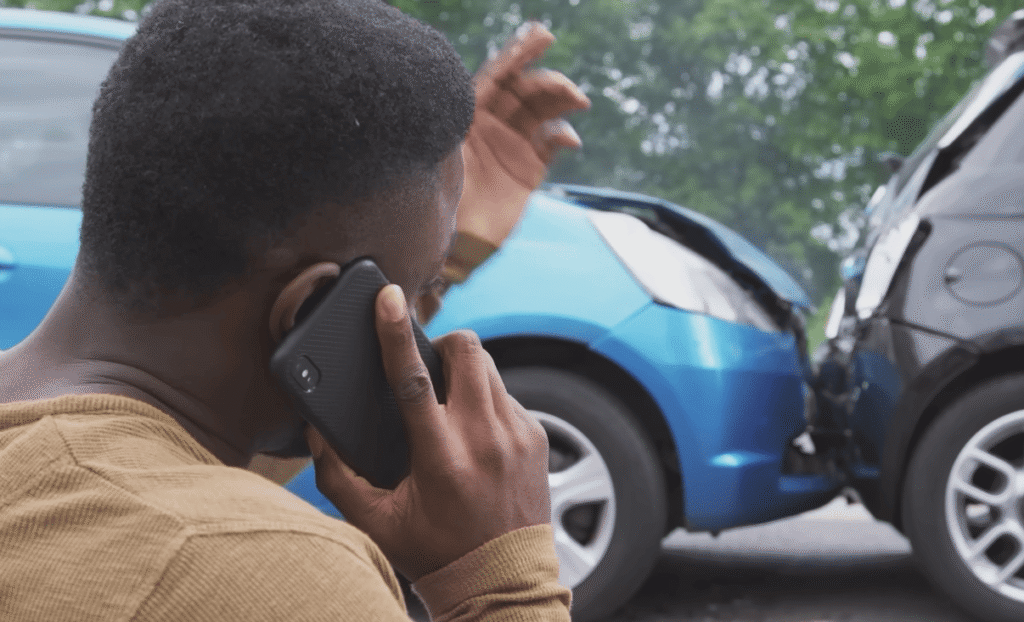
How can you tell whether your premium is unusually high?
A monthly payment is hard to judge without knowing the coverage and driver profile behind it. Sample averages can help you decide whether to compare more quotes, but they are not a guaranteed price. These figures describe a 35-year-old driver profile.
Use sample averages as a comparison point, not as a promise of what your policy should cost.
| Driver profile | Full coverage per year | Minimum coverage per year |
|---|---|---|
| Clean record and good credit | $2,361 | $648 |
| One speeding ticket and good credit | $3,028 | $840 |
| One at-fault crash and good credit | $3,524 | $952 |
| One DUI and good credit | $4,437 | $1,231 |
| Clean record and poor credit | $3,954 | $1,030 |
Check the details behind any two quotes:
- Match coverage limits and deductibles.
- Confirm driver, vehicle, and annual mileage details.
- Compare final policy terms, not just the headline premium.
Compare like-for-like quotes, then choose coverage you can afford to keep in force.

Conclusion
A high renewal is a reason to investigate the details, not to guess at the cause. A higher price is not necessarily the result of one personal mistake; shared claim costs and policy details can both affect your bill.
Before renewal, check your discounts and compare quotes with equivalent coverage. Gather your current declarations page, then request at least two comparable quotes. Match the coverage, and choose a premium and deductible you can manage.